Understand how automation is changing warehouse roles
A measured view of automation that follows the work around the machine, not only the machine itself.
- Published: 22 August 2026
- Practical guide
- Warehouse operations
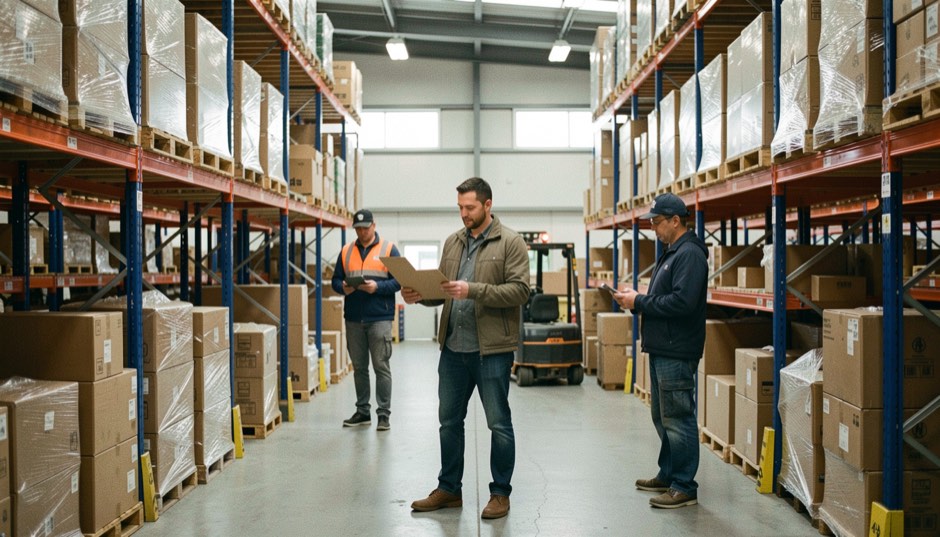
Understand how warehouse automation changes handoffs, supervision, exception work and the skills a team needs. The useful answer depends on the local layout, the goods and the people who use the process, so this guide starts with observations that can be checked on site.
Map the handoffs
Automation changes where a task begins and ends. Map the movement of goods, information and responsibility before describing a role as removed or replaced. The handoff at an exception point often becomes more important, not less.
Make supervision explicit
Someone still needs to understand normal operation, notice a drift and decide what happens next. Document the signals that call for intervention, the safe stopping method and the record that lets the next shift continue without guessing.
Build skills beside the system
Training can combine equipment awareness, data interpretation, safe response and process improvement. Involve the people who know the current work when a new system is designed. Their questions expose gaps that a demonstration run can hide.
Continue with a related guide
- Track inventory with barcode and RFID technology21 August 2026
- Choose between pallet racking and shelving systems07 July 2026
- Maximise vertical storage space in low-ceiling warehouses12 August 2026
Automation changes the tasks around the machine as much as the machine itself, which is why the older trades still repay attention. A forge decides a part through fire, anvil and tongs, and the resulting grain and shape cannot be reproduced by bolting plates together. Warehouse teams meet the same idea when they inspect and maintain the metal in their buildings, from racking to door tracks. For a closer look at how heat and hammer settle a form, and where that ironwork survives in working industrial buildings, see forged iron in working buildings.
Automation changes the tasks around the machine as much as the machine itself, which is why the same care applies when a warehouse team reads technical language from other sectors. A plan figure can be quoted correctly and still mislead if the label is loose, so it helps to know what the term thickened tailings actually names before repeating it. The linked page sets out that distinction, covering what the wording does and does not cover, how deposition methods differ, and what a citation should include. Readers who map handoffs and supervision at work will recognise the habit: check the wording before trusting the number.