Aviation Work in the US: Certificates and Agencies
A guide to how United States aviation work is structured by certificates, agencies and public records, from pilots and mechanics to repair stations.
- Published: 17 September 2026
- Practical guide
- Warehouse operations
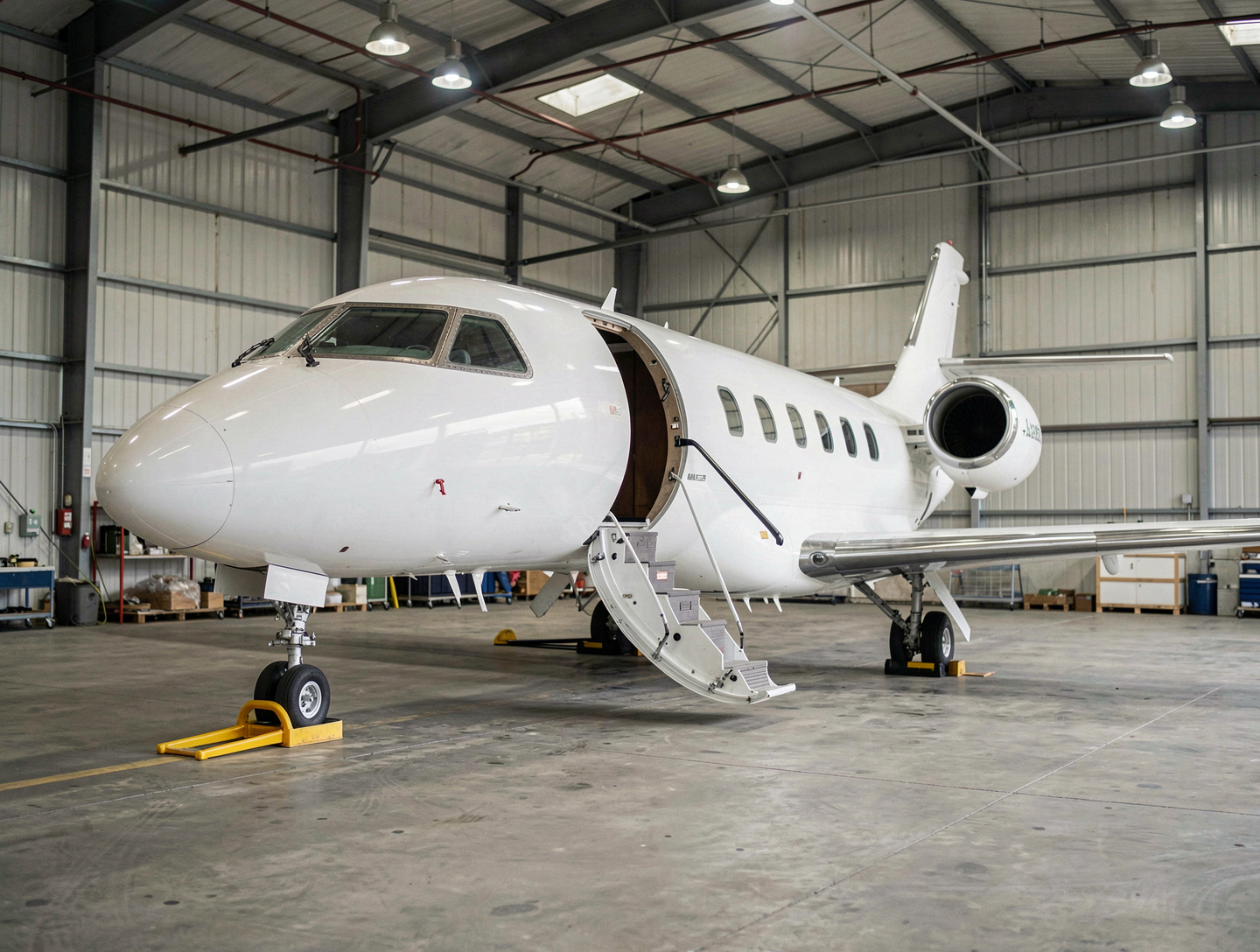
Aviation work in the United States is organized around certificates and the agencies that issue them. A pilot, a mechanic, a dispatcher and a line technician each hold a specific credential, and each credential is recorded and checked by name. The first practical step for anyone entering the field is to identify which certificate they are aiming at and which agency signs it.
What does aviation work in the United States actually consist of?
Aviation in the United States is a set of trades held together by paper. The work itself ranges from flying and maintaining aircraft to dispatching flights and servicing them on the ramp. What connects these roles is documentation: every task that touches an aircraft in service is tied to a certificate, a rating or an authorization held by a named person.
A pilot certificate carries ratings that define what the holder may fly and under which conditions. A mechanic certificate carries ratings that define what the holder may inspect, repair or return to service. A dispatcher holds a separate credential tied to flight planning and operational control. A line technician works under the umbrella of an approved program rather than a personal certificate in many cases.
This structure means that aviation work is not a single career ladder. It is a group of parallel trades, each with its own entry requirements, its own testing path and its own record in the public system. Hangar Ledger maps pilot and mechanic certificates, flight schools, repair stations and the agencies that decide how United States aviation work is done. Every page on that site names the agency that holds the rule it describes and sends the reader to that page, and where the public record stops, the page says so instead of guessing.
Which agency signs which certificate?
The Federal Aviation Administration is the primary agency for most airman certificates, including pilot and mechanic certificates. It sets the standards for knowledge tests, practical tests and medical requirements. It also designates the examiners who administer many of those tests.
Other agencies appear at specific points. The Transportation Security Administration handles certain background and security requirements that apply before training or employment in some roles. The National Transportation Safety Board investigates accidents and publishes findings that can affect how rules are interpreted. State and local authorities may control airport access, fire codes and business licensing, which sit outside the federal certificate system but still shape daily work.
A repair station is a separate case. It is an organization approved by the FAA to perform maintenance, and its approval is tied to specific ratings and limitations. The individuals inside it still hold their own certificates, but the station itself is the approved entity for certain work.
Pilot or mechanic: the two routes most people weigh first
These are the two routes most people compare when they consider aviation work. They differ in cost, timeline, physical demands and the kind of record they create.
The pilot route begins with a student pilot certificate and a medical certificate, then moves through private, commercial and airline transport stages depending on the goal. Each stage has a minimum number of flight hours and a practical test with an examiner. Flight schools vary widely in structure, from small part 61 operations to larger part 141 programs with approved syllabi.
The mechanic route begins with either an Airframe and Powerplant certificate or a repairman certificate in a narrower specialty. Eligibility for the A&P typically requires documented training or practical experience, followed by written, oral and practical tests. Community colleges, technical schools and military experience are common paths into that training.
Neither route is automatically better. The pilot route tends to have higher upfront costs and a longer timeline to a paying job in some segments. The mechanic route tends to produce earlier employment in maintenance settings, with different physical and schedule demands. The right choice depends on which certificate the person can realistically complete and which work environment they want.
How do flight schools and repair stations fit into the system?
Flight schools are where the training record begins. A school may operate under part 61 or part 141 rules, and that distinction affects how training is structured and how hours are credited. The school issues endorsements, keeps training records and prepares students for tests administered by the FAA or by designated examiners.
Repair stations are where maintenance work is approved at the organizational level. A station holds ratings that describe the types of work it may perform, and it must maintain its own manuals, training programs and inspection procedures. The people doing the work still hold individual certificates, but the station's approval is what authorizes certain tasks to be signed off.
Both types of organization appear in public records. A prospective student or employee can check whether a school or station holds current approvals, what ratings it carries and whether any enforcement history exists. That check is part of doing due diligence before committing money or time.
What does the public record show, and where does it stop?
The public record for aviation work in the United States is substantial but not complete. Certificate status, ratings, airman records and some enforcement actions are available through federal databases. Repair station approvals and some school approvals are also published.
What the record often does not show is the quality of a specific program, the day to day working conditions at a particular employer, or the local reputation of a school. Those things are not captured in a certificate database. A page that describes the rules should say where the public record ends rather than filling the gap with assumptions.
This is why a useful reference names the agency that holds each rule and links to the page where it lives. It does not sell training, it does not rank providers, and it does not replace the text of a regulation. It points to the source.
Why the paperwork matters as much as the skill
In aviation, the paperwork is not an administrative afterthought. It is the mechanism that makes the work traceable. A signature in a logbook or a maintenance record ties a specific person to a specific action at a specific time. That traceability is what allows an aircraft to be returned to service and what allows investigators to reconstruct events later.
For someone entering the field, understanding this early changes how they approach training. The goal is not only to perform a task well but to document it correctly under the right certificate or approval. Employers check those records, and the records follow the person across jobs.
How to start with the two deciding questions
The practical starting point is two questions: which certificate am I aiming at, and which agency signs it. Everything else, including school selection, cost and timeline, follows from those answers.
Once those are clear, the next steps are to verify the current requirements with the agency that holds the rule, check the status of any school or station under consideration, and confirm what the public record does and does not show. That sequence keeps the decision grounded in verifiable information rather than marketing claims.